
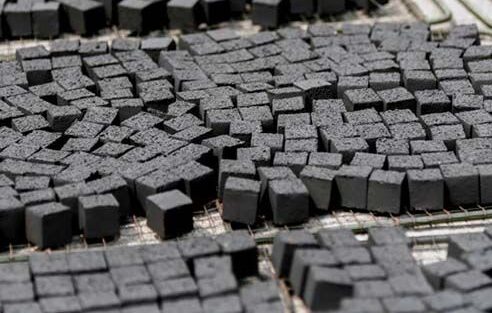
Fixed carbon coconut charcoal briquette is widely recognized as a high-performance solid fuel due to its ability to deliver stable heat and long-lasting combustion. Fixed carbon content represents the portion of carbon that remains after volatile compounds are removed, making it a key indicator of fuel efficiency and energy output.
As energy users demand more reliable and efficient fuel sources, fixed carbon levels have become an important quality benchmark. Coconut-based charcoal briquettes with high fixed carbon content are commonly used in both industrial and domestic applications because of their consistent performance and reduced waste.
Fixed Carbon Content and Briquette Performance
Fixed carbon content directly influences how efficiently a briquette performs during use. Low fixed carbon often results in faster burnout and unstable combustion.
Briquettes with higher fixed carbon are preferred in applications that require steady heat, minimal interruption, and predictable fuel behavior.
Performance Benefits of High Fixed Carbon
-
Extended Burning Duration
Fuel lasts longer with less frequent replacement. -
Improved Heat Consistency
Suitable for continuous heating processes.
Coconut Shell as a High-Carbon Raw Material
Coconut shell is naturally rich in carbon and contains fewer impurities compared to many other biomass materials. This makes it ideal for producing charcoal with high fixed carbon content. When processed into a coconut shell charcoal briquette, the material delivers strong structural integrity and reliable combustion characteristics.
This combination supports both efficiency and durability in real-world use. For additional references and insights related to coconut-based fuel products, you can explore jacoid.com as a supporting resource.
Production Factors Influencing Fixed Carbon Content
Achieving high fixed carbon levels requires precise control during manufacturing. Each stage of production affects the final fuel composition.
Critical Production Elements
-
Carbonization Temperature
Proper heat levels remove volatile matter effectively. -
Carbonization Duration
Adequate processing time improves carbon concentration. -
Raw Material Cleanliness
Reduces mineral content that can lower fixed carbon percentage.
Fixed Carbon and Combustion Behavior
Briquettes with high fixed carbon content burn more steadily and produce a consistent heat profile. This behavior is important in applications where temperature stability is critical.
Controlled combustion also reduces excessive smoke and residue formation, improving overall usability.
Combustion Characteristics
-
Gradual Heat Release
Prevents rapid fuel depletion. -
Reduced Smoke Emission
Supports cleaner operating conditions.
Industrial and Domestic Applications
Fixed carbon coconut charcoal briquette products are suitable for a wide range of applications due to their stable and efficient burning behavior.
Common Application Areas
-
Industrial Furnaces and Boilers
Reliable heat for continuous operations. -
Food Processing and Grilling
Even temperature control improves cooking results. -
Household Cooking
Long-lasting heat with manageable residue.
Quality Testing and Evaluation
Fixed carbon levels are typically measured through laboratory analysis to ensure product consistency. Regular testing helps maintain performance standards and meet market requirements.
Key Quality Indicators
-
Fixed Carbon Percentage
Indicates energy potential and burn duration. -
Ash and Moisture Levels
Affect combustion efficiency and storage stability.
Market Outlook for High Fixed Carbon Briquettes
Demand for efficient and reliable solid fuels continues to grow across global markets. Products with higher fixed carbon content are increasingly favored due to their performance advantages and cost efficiency.
By focusing on controlled processing and high-quality raw materials, manufacturers can produce fuel that meets long-term energy needs. Supported by the natural advantages of coconut shell charcoal briquette materials, fixed carbon coconut charcoal briquette products are expected to remain a strong option for sustainable and industrial energy applications.
