
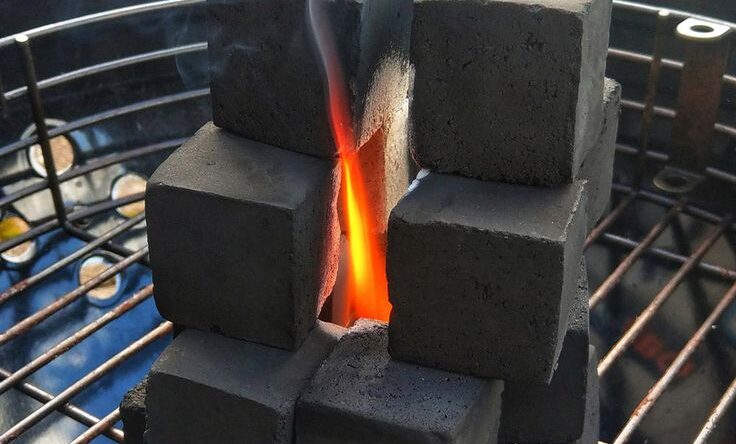
Consistent fixed carbon briquette is a fuel product designed to deliver predictable performance across every usage cycle. Unlike fuel with fluctuating carbon levels, consistent fixed carbon content allows users to maintain stable heat output and controlled combustion without frequent adjustments.
In energy-intensive applications, consistency is just as important as efficiency. Briquettes with stable fixed carbon levels help reduce operational uncertainty, making them suitable for industries and users that rely on continuous and reliable heat sources.
The Role of Consistency in Fixed Carbon Content
Consistency in fixed carbon refers to maintaining similar carbon levels across different production batches. This ensures that each briquette performs in the same way during combustion.
Inconsistent carbon content can lead to uneven burning, temperature fluctuations, and inefficient fuel usage.
-
Predictable Heat Performance
Reduces the need for constant monitoring. -
Uniform Burning Behavior
Improves process control in industrial use.
Impact of Fixed Carbon Stability on Combustion
Stable fixed carbon levels allow briquettes to burn at a steady rate. This reduces sudden temperature spikes and prevents rapid fuel depletion.
Consistent combustion behavior is especially valuable in applications where precise temperature control is required.
Combustion Advantages
-
Smooth Heat Release
Supports long-duration operations. -
Reduced Fuel Variability
Minimizes performance differences between batches.
Production Control for Carbon Consistency
Achieving a consistent fixed carbon briquette requires strict control during manufacturing. Small variations in processing conditions can affect final carbon levels.
-
Standardized Carbonization Parameters
Temperature and time must remain stable. -
Uniform Raw Material Input
Prevents carbon variation from mixed sources. -
Batch Monitoring Systems
Helps detect inconsistencies early.
Coconut-Based Briquettes and Carbon Reliability
Coconut shell charcoal is known for its naturally high and stable carbon content. When processed into a fixed carbon coconut charcoal briquette, it offers reliable combustion characteristics across repeated use.
This reliability makes coconut-based briquettes a preferred choice in markets that demand consistent quality and performance. For additional insights into energy branding and product positioning, you can also explore emediaidentity.com as a reference platform.
Quality Assurance and Carbon Verification
Quality assurance processes are essential to maintain consistency. Fixed carbon levels are typically verified through laboratory analysis before products reach the market.
Common Verification Methods
-
Proximate Analysis
Measures fixed carbon, ash, moisture, and volatile matter. -
Batch Comparison Testing
Ensures uniformity between production cycles.
Applications Requiring Carbon Consistency
Consistent fixed carbon briquette products are used in environments where stable fuel behavior is critical. In industrial settings, predictable combustion helps maintain controlled temperatures, reduce operational interruptions, and support automated heating systems that depend on steady energy input.
Key Application Areas
-
Continuous Industrial Heating
Supports uninterrupted operations. -
Food Processing Systems
Maintains consistent cooking temperatures. -
Commercial Energy Supply
Reduces fuel-related downtime.
Operational and Cost Benefits
Consistency in fixed carbon content reduces fuel waste and improves efficiency. Users benefit from predictable consumption rates and simplified energy planning.
Economic Advantages
-
Lower Fuel Adjustment Costs
Less need for manual control. -
Improved Energy Efficiency
Maximizes usable heat output.
Future Demand for Consistent Fixed Carbon Briquettes
As industries continue to prioritize efficiency and reliability, demand for consistent fixed carbon briquette products is expected to increase. Fuel consistency supports automation, quality assurance, and long-term cost control.
By focusing on standardized production and rigorous testing, manufacturers can meet these expectations. Supported by the performance of fixed carbon coconut charcoal briquette materials, consistent carbon fuel solutions will remain essential for modern and industrial energy systems.
